How old are the houses in Hyde Park?
Most went up before World War II. In ZIP 45208, which takes in Hyde Park, 4,663 of 9,027 homes were built in 1939 or earlier, and 5,921 before 1960. Hyde Park started in 1896 as Mornington Village with very few houses, and Cincinnati annexed it in 1903. In the Observatory district the building ran from 1873 to 1923, set off when the railroad reached Mornington in 1882.
A house that age has been painted many times over. The walk around at the estimate shows you where that old paint has let go.
Sources: US Census ACS 2024 (ZIP 45208), American Planning Association, Hyde Park Neighborhood Council, City of Cincinnati
What are Hyde Park houses built from?
Brick, stone, stucco and wood, often on one house. The City of Cincinnati names Hyde Park among the neighborhoods with a large number of Tudor Revival houses, built of brick, stone and stuccoed half-timbering under slate or tile roofs. It lists Hyde Park for early high-style Colonial Revival too, and the American Planning Association adds Italianate, Queen Anne, Eastlake and Shingle style. In the Observatory district the houses are frame, sided in wood clapboard or stucco, with slate or asphalt roofs, wood multi-pane windows and wood porches with decorative railings.
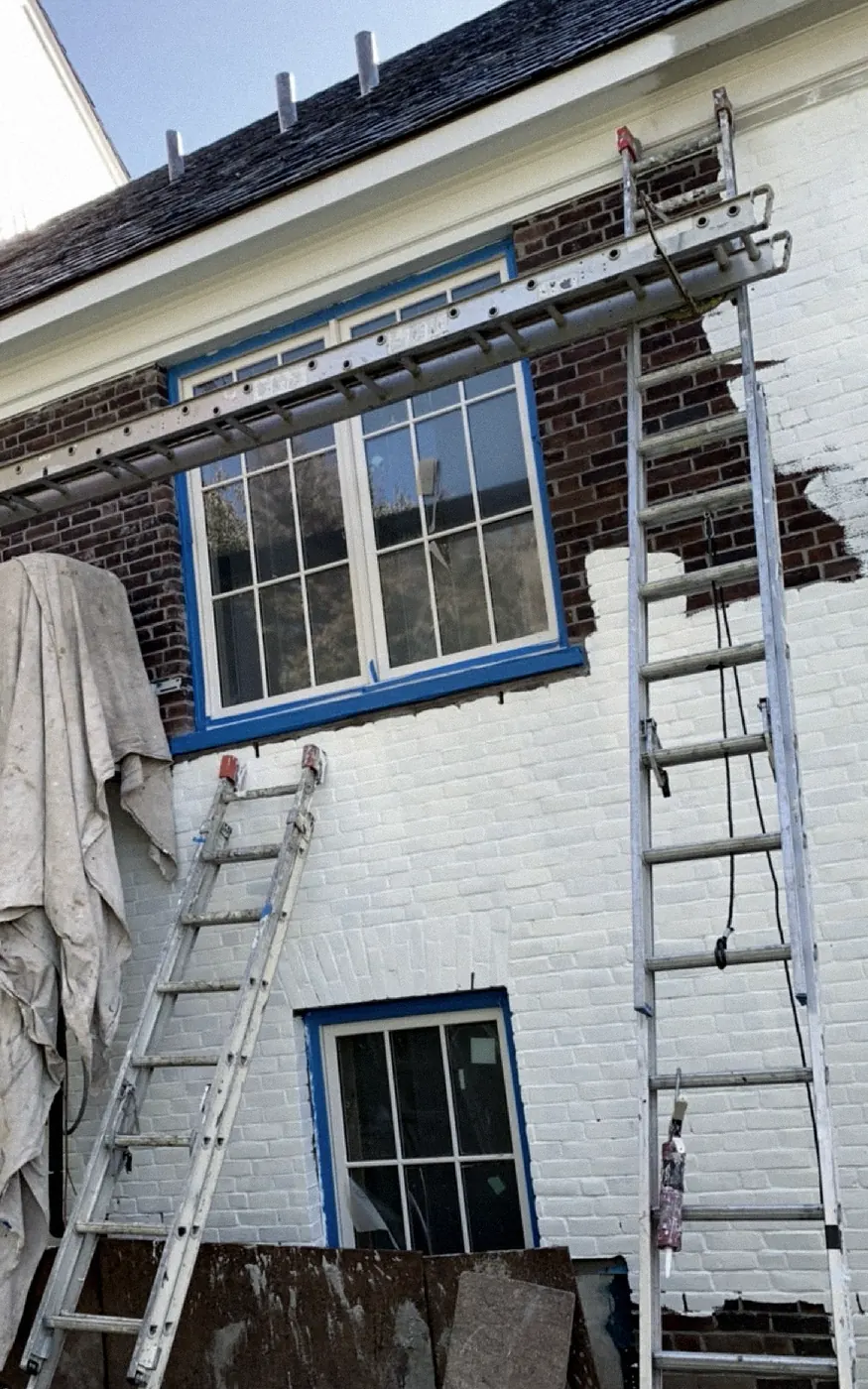
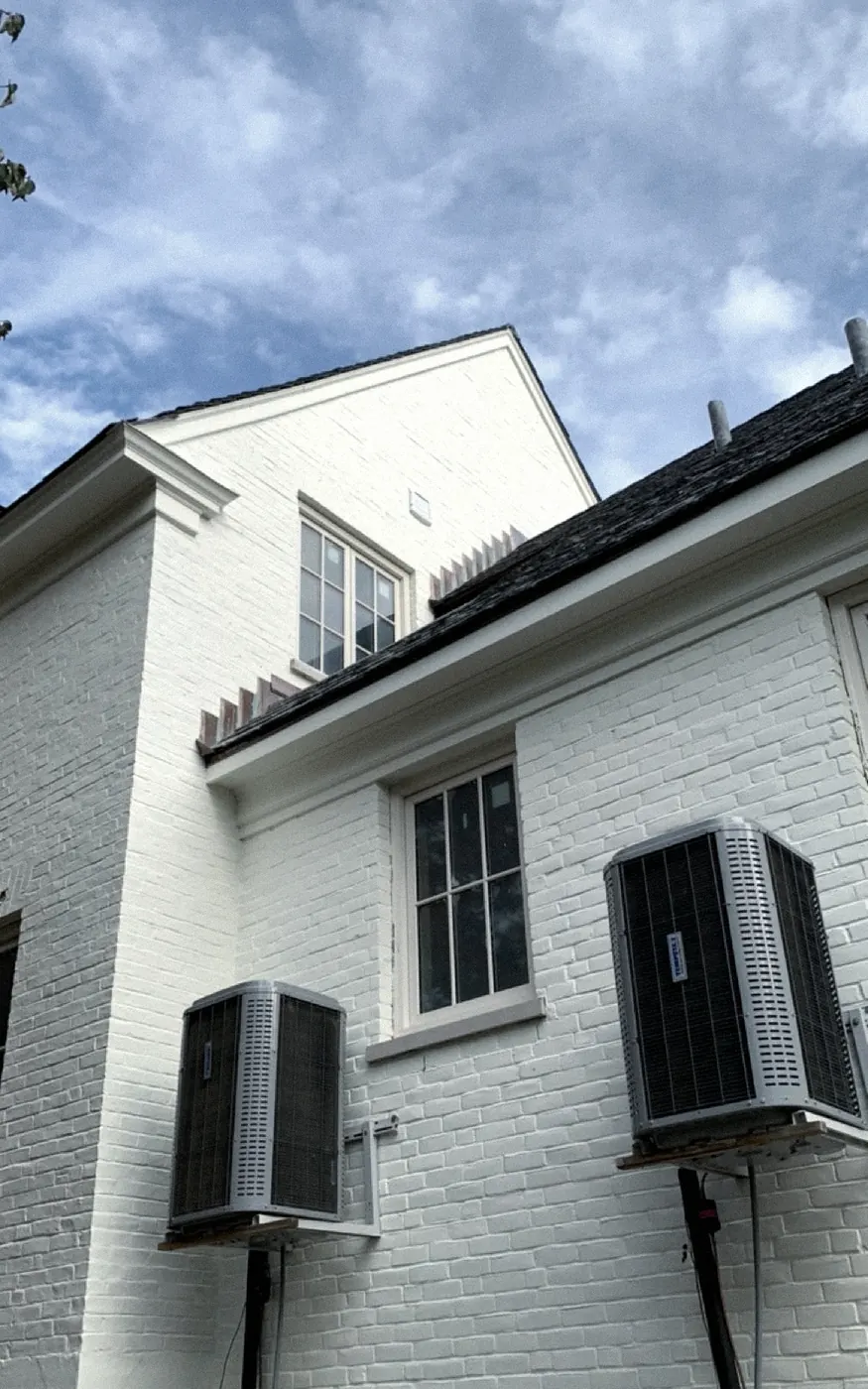
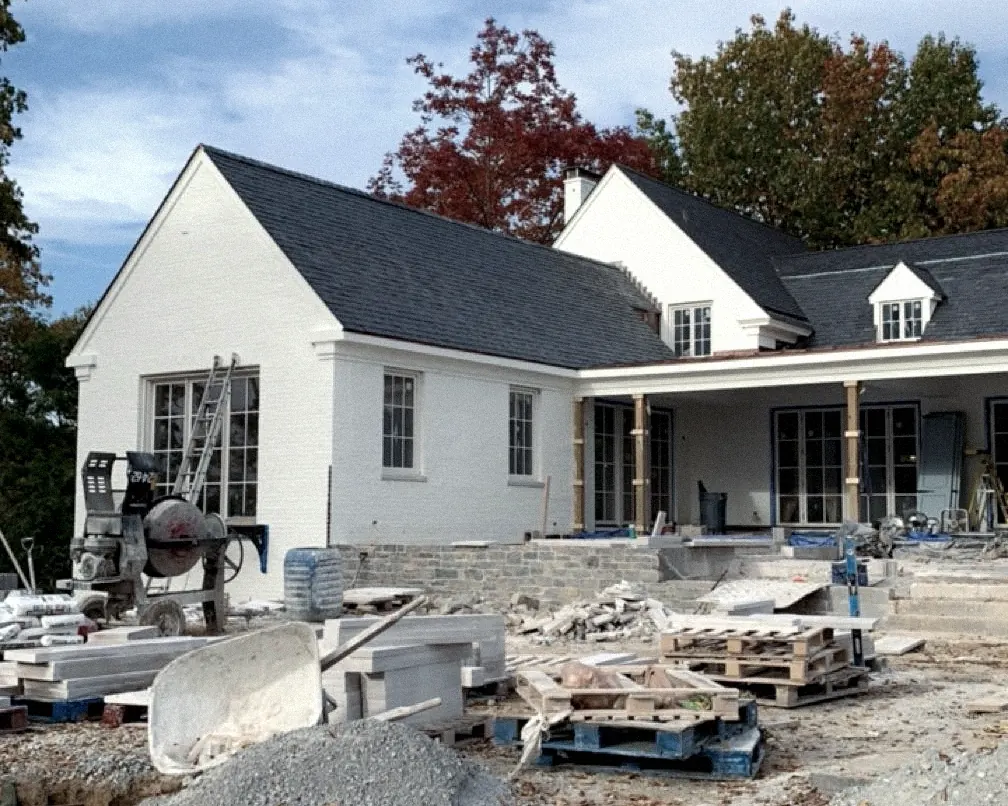
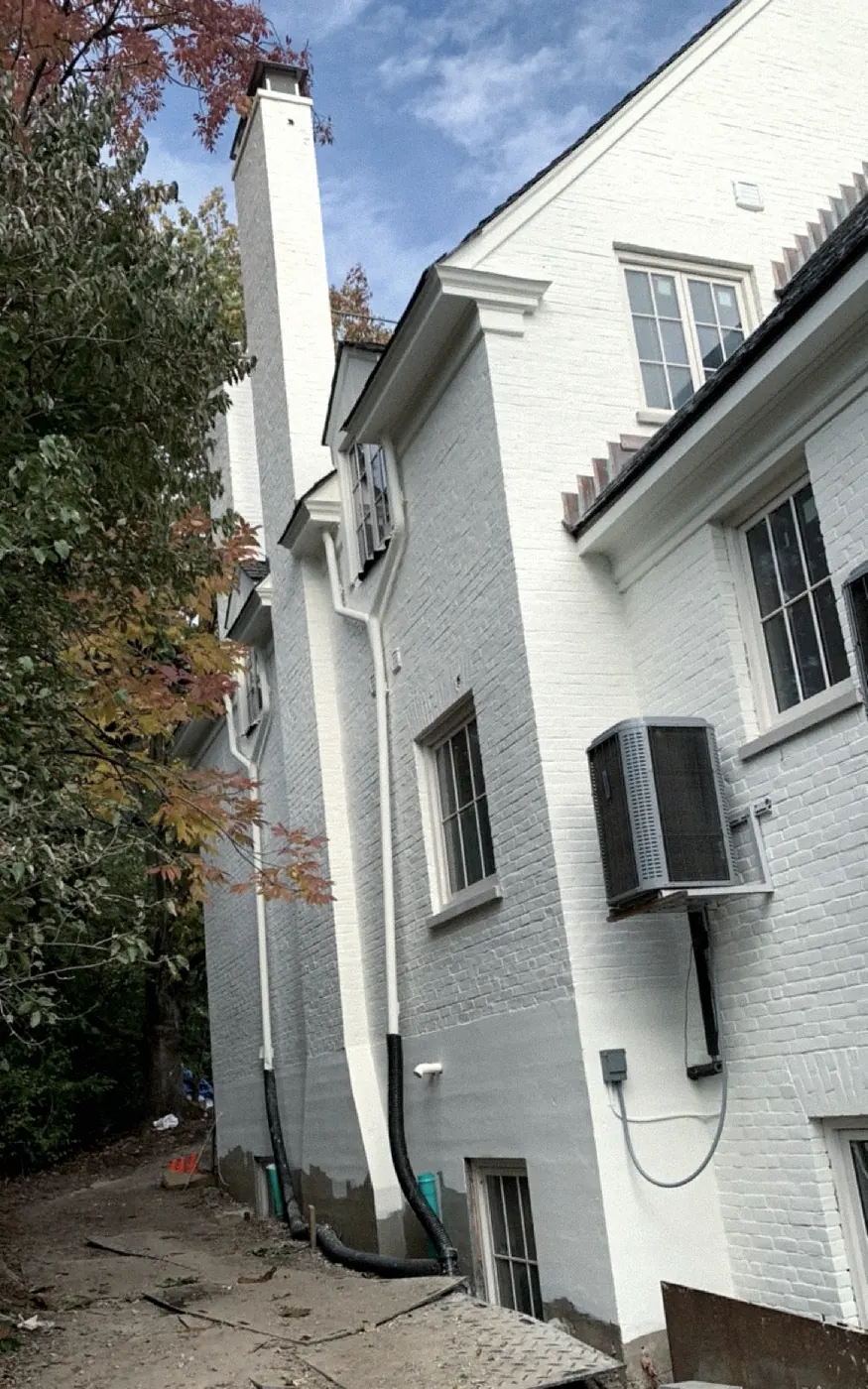
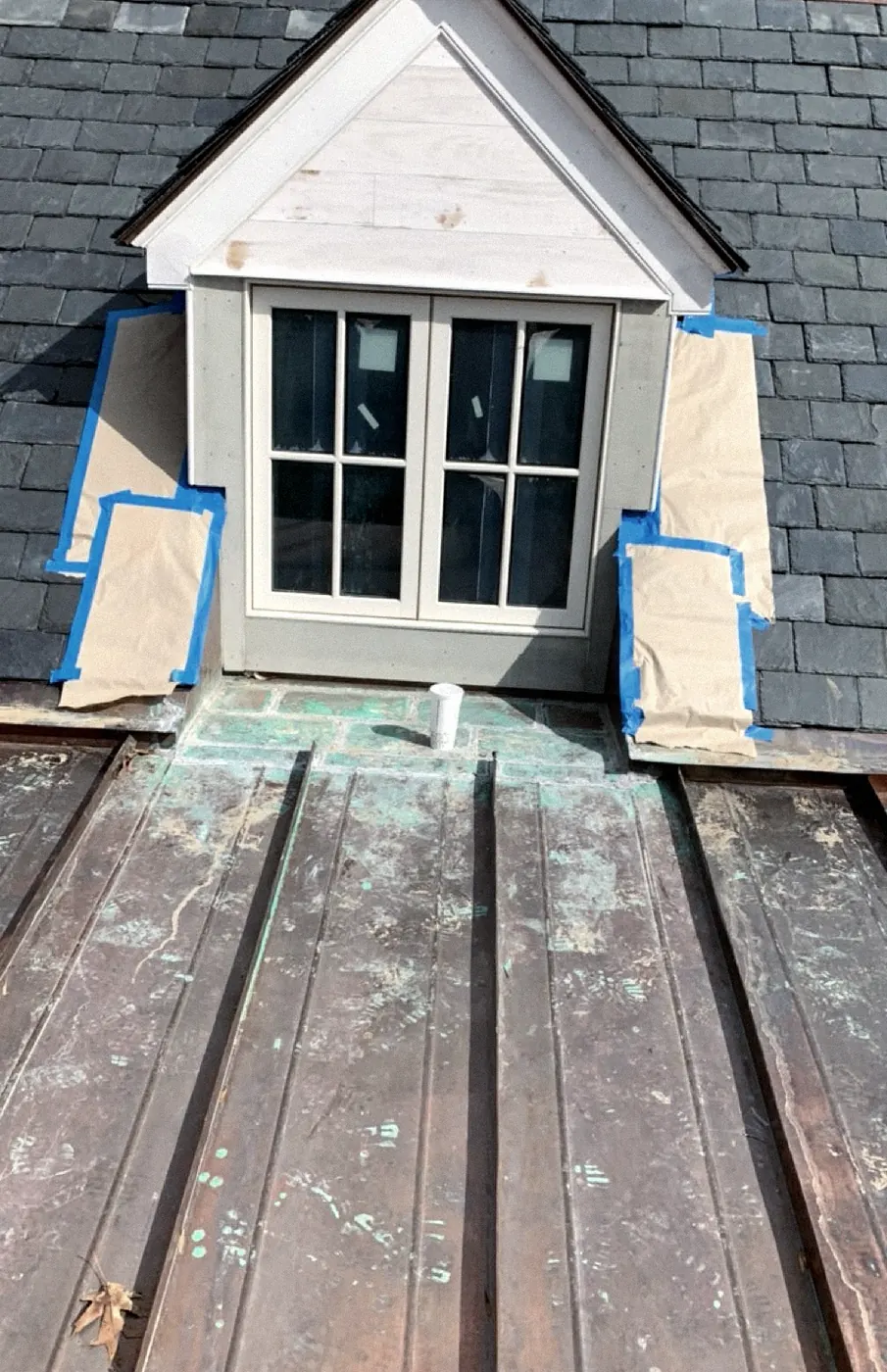
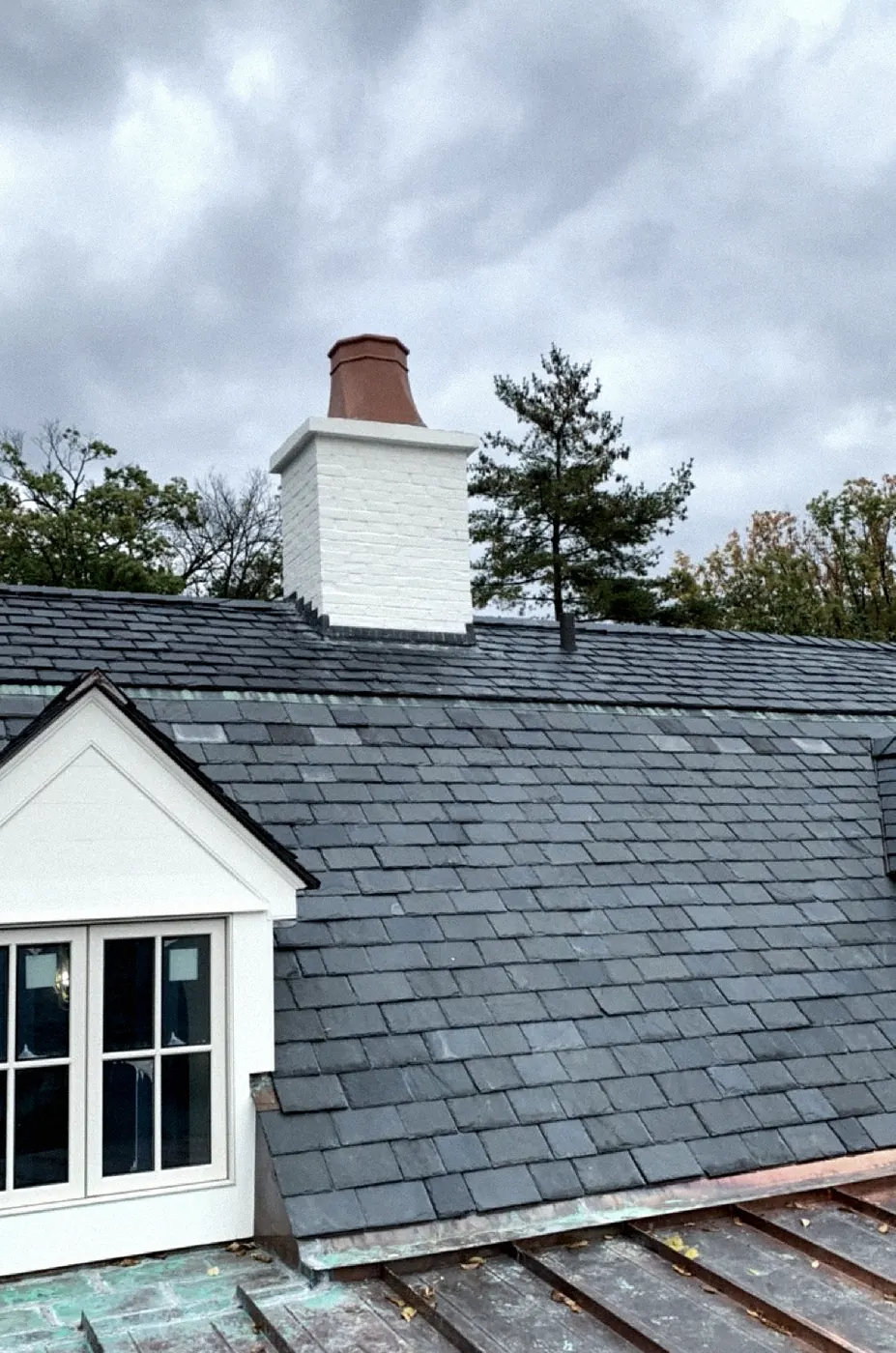
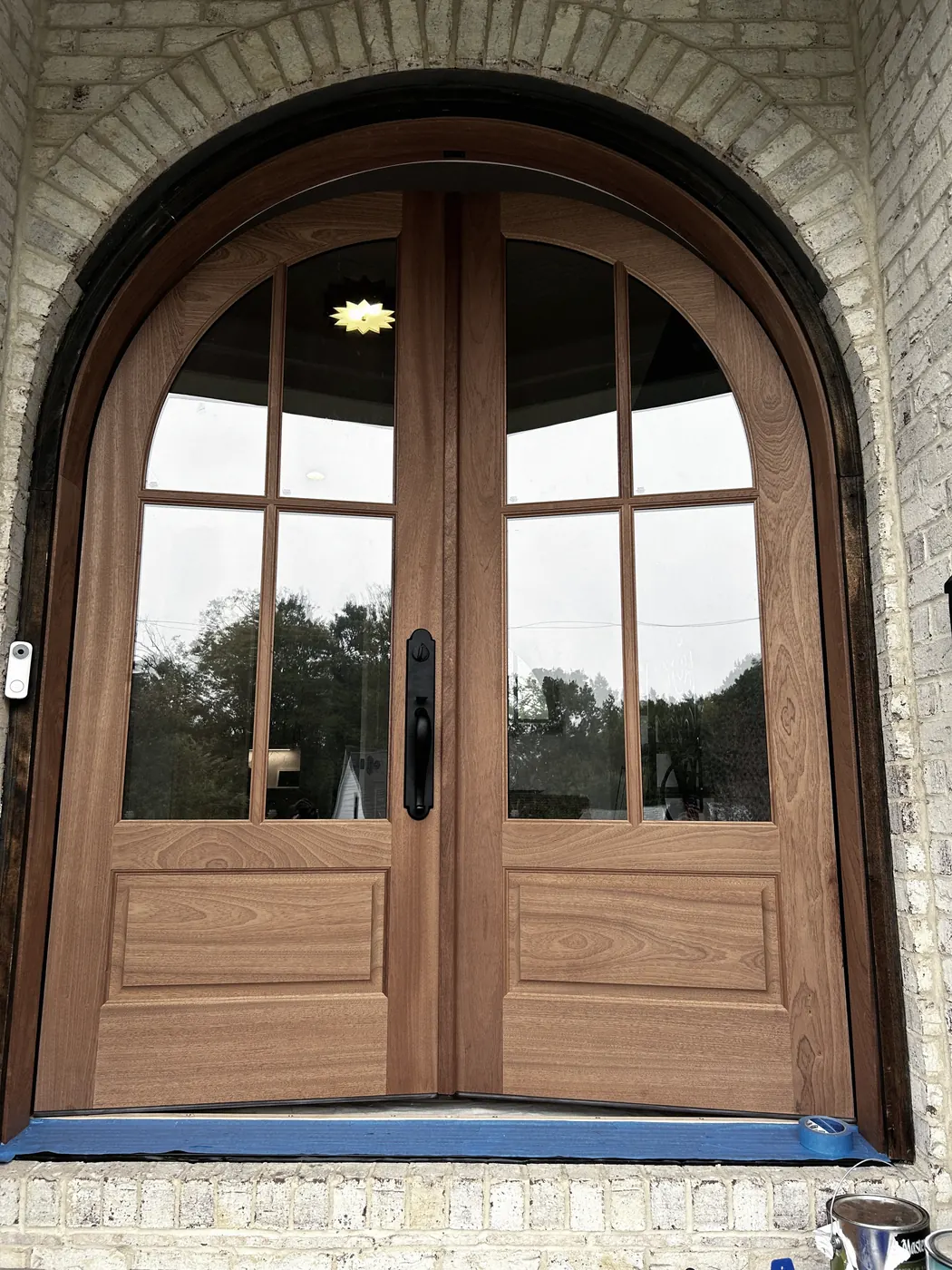
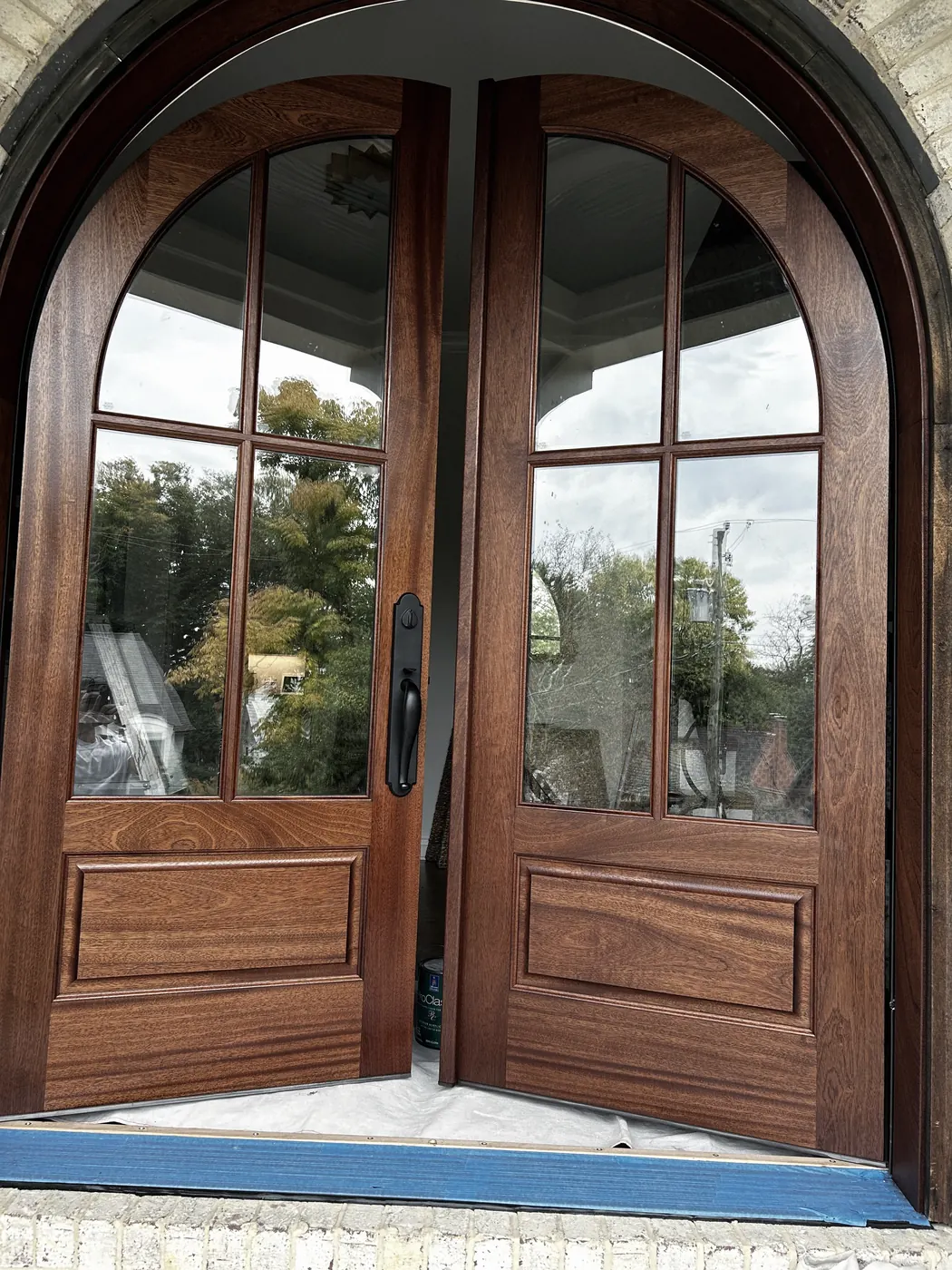
Each of those takes its own prep. Our Hyde Park work includes painted brick and a pair of arched wood doors.
Sources: City of Cincinnati, American Planning Association
Why does paint peel on an old clapboard house?
Layers and water. The National Park Service says paint built past 1/16 of an inch, which is 16 to 30 coats, can crack and peel when one more coat goes on, and that peeling down to bare wood most often means moisture behind the paint. The USDA Forest Products Laboratory says cross-grain cracking shows up on older homes painted many times, and the only fix is taking the old paint off.
So we scrape what is loose back to a sound layer, sand, replace rotted boards, caulk the seams and prime bare wood before the finish. If the old paint is too thick to take another coat, you hear it at the estimate, because it changes the job.
Sources: National Park Service, USDA Forest Products Laboratory
Can you paint brick and stucco?
Yes. The brick house in our Hyde Park work was dark red-brown before we painted it white. The National Park Service warns that paint that won't let moisture out of brick traps it behind the coating and speeds up decay, and that a water-permeable coating works best. On stucco, most damage starts with water getting in through cracks, and its guidance is a thin slurry for hairline cracks, not caulk.
You can pick the paint brand. If it's one we wouldn't put on brick or stucco, we tell you why before we start, and then it's your call.
Sources: National Park Service
Do you come out to Hyde Park?
Yes. Hyde Park is 19.0 miles and 34 minutes from New Richmond, where we're based. We walk every side of the house with you, and the estimate is free.
Sources: Road distance from New Richmond